


A safe outdoor-unit support
Use a suitable pad, wall bracket, or other approved support for the equipment and site.
Compare mounting choicesMRCOOL
We couldn't check pickup right now
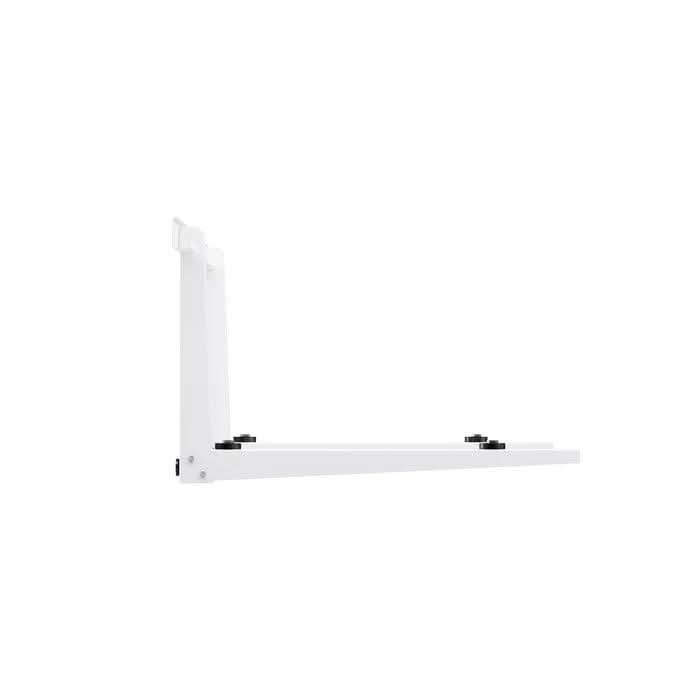
This bracket can lift a compatible 9k or 12k outdoor unit off the ground when the wall and site make that a sensible choice. Match the bracket to the unit's size and weight, then account for clearance, service access, wall strength, fasteners, vibration, wind, snow, and local requirements.


Five checks before you buy
You do not need every answer memorized. You do need these five parts of the plan to agree.
A heating and cooling load calculation should show that the space needs about BTU. Square footage alone cannot make that call.
This is a V system. Have the circuit checked for this system.
The selected option covers ft. Measure the real path, including bends and service room.
Grid, battery, solar, and generator plans all need to support this model plus the other loads running at the same time.
Make room for airflow, drainage, weather protection, service access, and a safe outdoor-unit support.
Start with the three parts that make this a complete single-zone system. Open each item to see which parts come with the option you selected.
This is the part that mounts inside the space and delivers the conditioned air.
This is the outdoor half of the matched heat-pump system.
The selected package provides the documented total route length shown above. Measure the actual path before ordering.
What you may still need: outdoor support, line covers, electrical parts, drains, fasteners, and weatherproofing depend on your site and installation.
The connection method may reduce some refrigerant work, but the full job still includes mounting, drainage, electrical work, line routing, weatherproofing, and startup.
A DIY connection does not make every site or every step suitable for a first-time installer.
Make sure the size, circuit, unit locations, line route, drainage, and local requirements all work together.
Match the indoor unit, outdoor unit, selected line-set option, and documented package contents.
Secure both units, create the wall path, protect the lines, and give condensate a reliable way out.
Follow the manual for your system and local electrical requirements.
Use the manual’s startup steps, look for drainage or connection problems, and keep the service path clear.
Can this be a weekend project? Sometimes—but the honest answer depends on the building, access, electrical work, weather, tools, and your experience. Work through these details before you schedule the job.
Voltage is only the starting point. Make sure the inverter, batteries, charging, generator, weather, other loads, and extra power kept available can all support the system over time.
Estimate power needsUse a suitable pad, wall bracket, or other approved support for the equipment and site.
Compare mounting choicesProtect exposed refrigerant lines, control wire, and drain where the installation calls for it.
See line-set coversMeasure first. Longer is not automatically better, and maximum length still applies.
See compatible extensionsUse the installation manual for this system and the electrical requirements for your location.
Review installation accessoriesThis bracket can lift a compatible 9k or 12k outdoor unit off the ground when the wall and site make that a sensible choice. Match the bracket to the unit's size and weight, then account for clearance, service access, wall strength, fasteners, vibration, wind, snow, and local requirements.
